


How Do I Know If I Need Cataract Surgery?
Posted by: Clear Vision Cataract & LASIK Center

It’s a question we hear often at Clear Vision Center, and a really important one. Not everyone with cataracts needs surgery immediately, or even at all. Recognizing when it’s time to think about surgery can help you make the best choice for your vision and daily life.
What Are Cataracts, Anyway?
We all have natural lenses in our eyes, located behind our iris and pupil. Those lenses inside each eye refract light rays that come into the eye to help you see.
If you have a cataract, that lens becomes cloudy. Think of it like a camera lens fogging up—the cloudier it gets, the harder it becomes to see clearly. Things will start to look blurry, hazy, and less colorful.
This isn’t an uncommon thing. Cataracts can develop slowly over time as a normal part of aging. By age 80, more than half of Americans have cataracts or have had cataract surgery.
What Are Some Signs I Might Need Cataract Surgery?
Wondering if it’s time for surgery? Here are the five most common signs that cataracts are significantly affecting your quality of life. While these symptoms are strong indicators, a consultation with an ophthalmologist is the only way to confirm if cataracts (and not another eye condition) are responsible for your vision changes.
1. Your Vision Is Getting in the Way of Daily Activities
This is one of the most common reasons we tell people it might be time for surgery. If cataracts are making it hard to do things you enjoy or need to do—like reading, driving, watching TV, or working—that’s when surgery becomes worth considering.
Ask yourself:
- Do you avoid driving at night because of glare from headlights?
- Are you having trouble reading even with your glasses?
- Do you feel unsafe doing normal activities because your depth perception is off?
- Have you stopped doing hobbies you love because you can’t see well enough?
If you answered yes to any of these, it might be time to discuss if you’re the right candidate for surgery.
2. You’re Seeing Halos or Glare Around Lights
For some patients, one of the most frustrating symptoms of cataracts is increased sensitivity to light and glare. You might notice halos around streetlights, headlights, or lamps. This happens because the clouded lens scatters light instead of focusing it properly on your retina.
Driving at night can get especially tricky, and many people with cataracts mention feeling “blinded” by oncoming headlights.
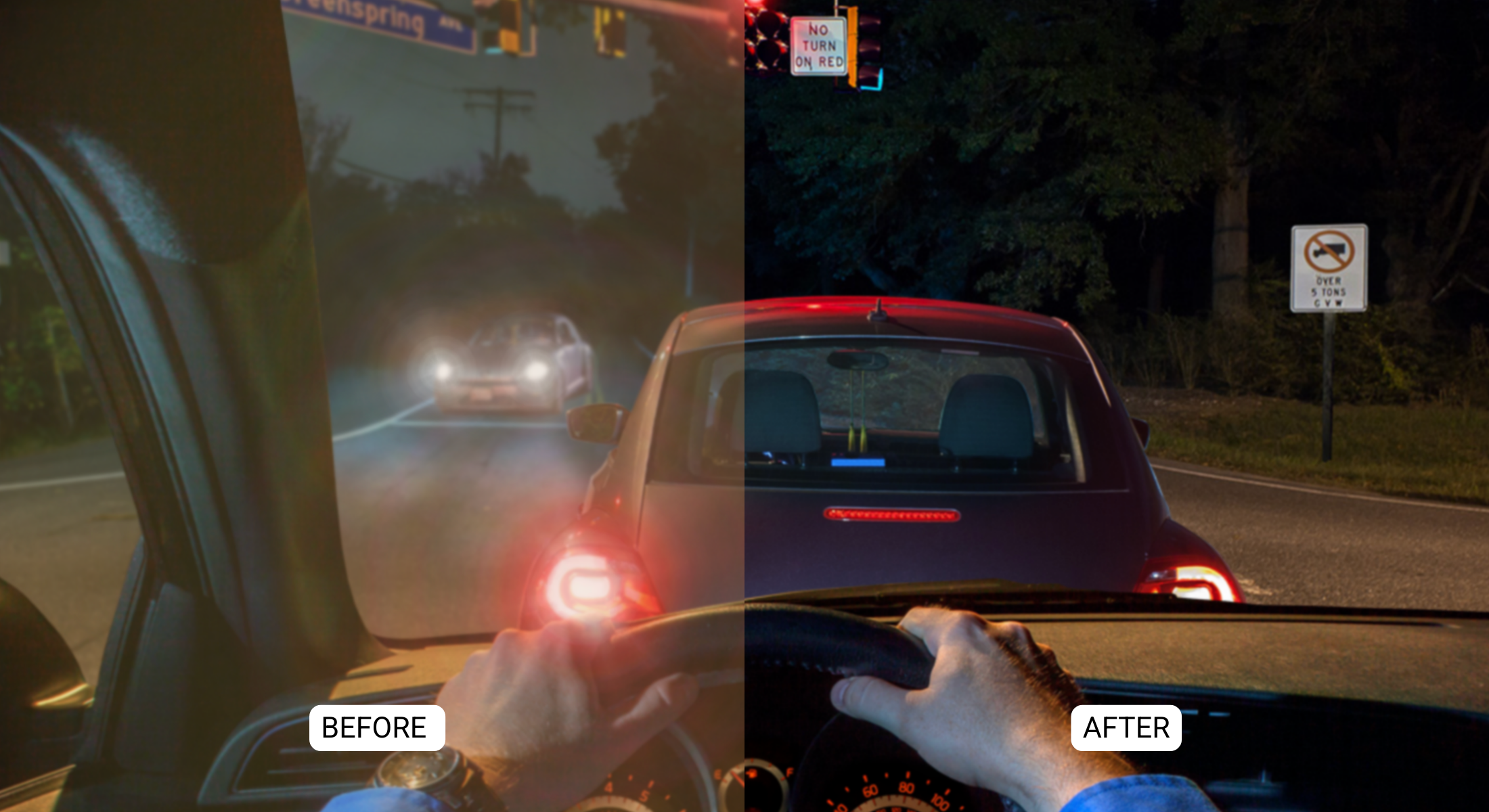
After cataract surgery with Light Adjustable Lens (LAL). Photo credit: rendia.com
3. Colors Look Faded or Yellowed
Cataracts can make colors appear dull, faded, or yellowed. You might not notice this happening gradually, but you may realize that whites don’t look as bright as they used to, or that colors seem washed out.
Many people say that after cataract surgery, they’re surprised by how bright and colorful everything looks again—almost like someone turned up the color on their world.

After cataract surgery with multifocal lens implant (MFIOL). Photo credit: rendia.com
4. You Need Frequent Prescription Changes
If you’re updating your glasses or contact lens prescription more often than usual and feel like you’re still not seeing clearly, cataracts could be the culprit. No amount of prescription adjustment can correct vision that’s clouded by cataracts.
5. Double Vision in One Eye
Sometimes cataracts cause double vision (diplopia) in a single eye. If you’re experiencing this, it’s definitely worth getting evaluated.

When Is the Right Time for Cataract Surgery?
Here’s the honest answer: there’s no universal “right time” for everyone.
Some people have small cataracts that never really interfere with their lives. Others find that even mild cataracts impact their ability to work or enjoy activities. The decision is personal and depends on how much your vision is affecting your quality of life. But, of course, it’s a decision your eye care team should help you make based on your symptoms and lifestyle.
That said, at Clear Vision Center, we generally recommend considering surgery when:
- Your cataracts are interfering with daily activities that matter to you.
- Glasses or contacts no longer help you see clearly.
- Your vision problems are affecting your safety, especially while driving.
- You’re unable to do your job effectively due to vision issues.
We never pressure anyone into surgery before they’re ready. Dr. Vrabec believes in open, honest conversations about whether surgery makes sense for you right now.
What If I’m Not Ready for Surgery Yet?
If you’re not ready for surgery, that’s okay. If your cataracts are mild and not bothering you much, you don’t need to rush into surgery. You can manage early cataracts with a couple of different things:
- Stronger lighting for reading and other tasks
- Anti-glare sunglasses for outdoor activities
- Updated eyeglass prescriptions to maximize clarity
- Magnifying lenses for detailed work
From there, you and your eye care team should look at your cataracts over time and talk regularly about when—or if—surgery might be a good idea.
Common Questions About Cataract Surgery
“Will my insurance cover cataract surgery?”
Ah yes, the most common question. The answer depends on a couple of different things. What type of insurance do you have? How bad are your cataracts? And what type of vision correction are you seeking? Listen to Dr. Vrabec explain more in depth here. [Linking or Embedding to YouTube Short OR IG Reel talking about this topic]
“How long does recovery take?”
Most people notice improved vision within a few days, though complete healing takes about 4-6 weeks. You’ll have some restrictions during recovery (like no heavy lifting or swimming), but most patients are back to normal activities pretty quickly.
“Is cataract surgery painful?”
The procedure itself is painless—you’ll receive numbing drops and possibly a mild sedative. Most patients describe feeling pressure but no pain. Afterward, you might have some mild discomfort or scratchiness, but serious pain is rare.
“What if I wait too long?”
While cataracts won’t cause permanent damage to your eyes, letting them become very advanced can make surgery more complicated. “Overripe” cataracts can be harder to remove and may increase the risk of complications. That’s why regular eye exams are important—we want to track your cataracts and plan surgery at the right time.
“Can cataracts come back after surgery?”
No, once a cataract is removed, it can’t come back. However, some patients develop a condition called posterior capsule opacification (PCO), where the membrane behind the lens implant becomes cloudy. This is easily treated with a quick laser procedure, called a YAG laser capsulotomy, that we have in the office.
How Clear Vision Center Approaches Cataract Surgery
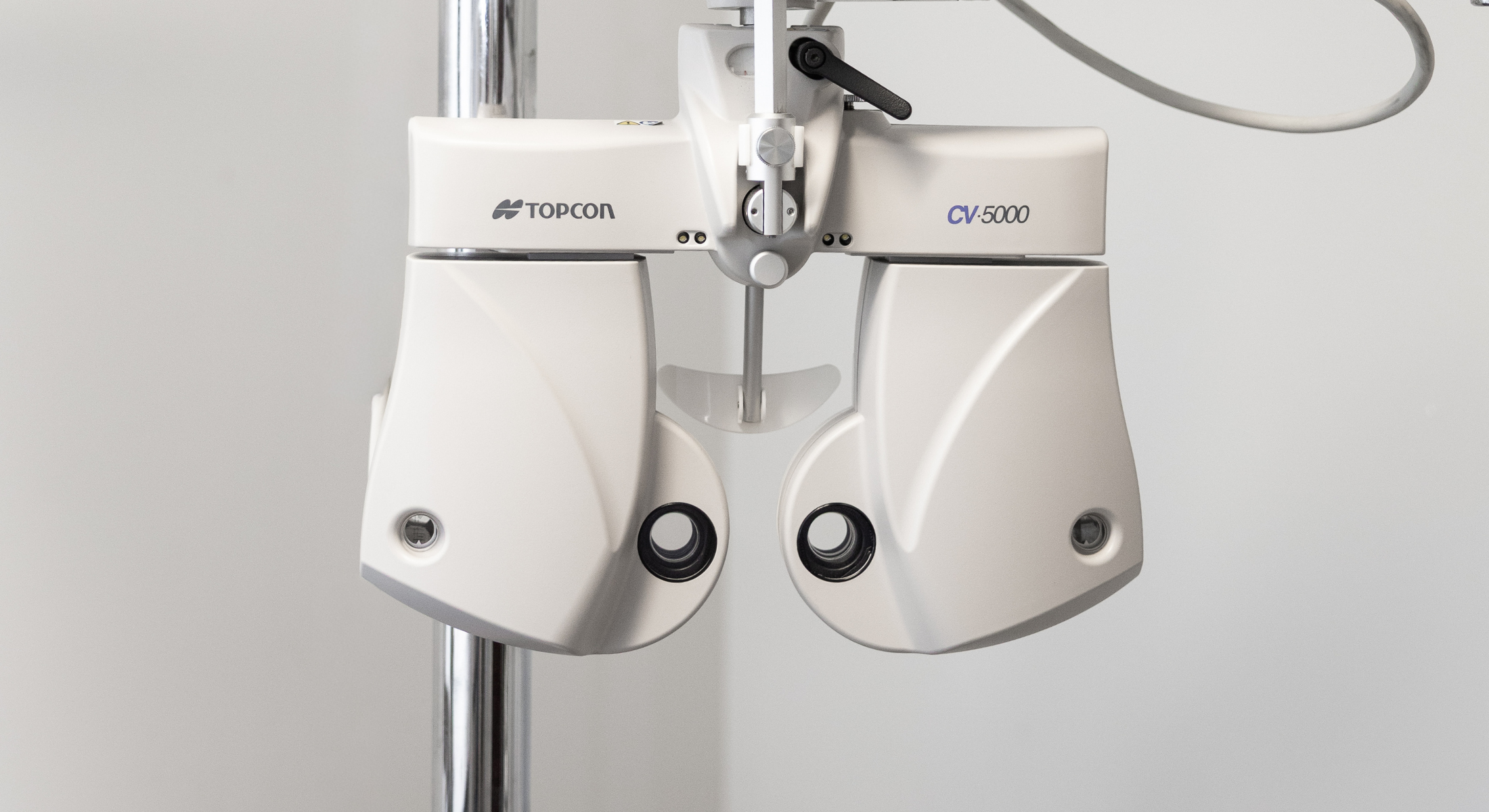
At Clear Vision Center, Dr. Vrabec uses advanced diagnostic technology to thoroughly evaluate your eyes before recommending surgery. We measure everything from the curvature of your cornea to the exact power of the lens implant you’ll need.
We also offer vision correction options that pair advanced lenses with your surgery that can correct astigmatism or reduce your dependence on glasses after surgery. During your consultation, we’ll discuss what lens type makes the most sense for your lifestyle and visual goals.
The Bottom Line
If you’re wondering whether you need cataract surgery, it really comes down to one thing: Are your cataracts making it harder to live your life the way you want?
If your vision problems are making it harder to do the things you need or want to do, it’s time to have a conversation about your options. But if your cataracts are mild and manageable, there’s no rush.
The best first step is to schedule a cataract evaluation so we can see where your cataracts stand and talk about what makes sense for you. At Clear Vision Center, our goal is to give you honest advice and help you make the choice that’s right for you—not to rush you into anything.
Ready to find out if cataract surgery is right for you? Contact Clear Vision Center today to schedule your consultation with Dr. Vrabec. We’ll take the time to answer all your questions and create a personalized plan for your vision.
Clear Vision Center is committed to providing exceptional eye care with state-of-the-art technology and a patient-first approach. Whether you’re exploring cataract surgery, LASIK, or other vision correction options, we’re here to help you see clearly again.